



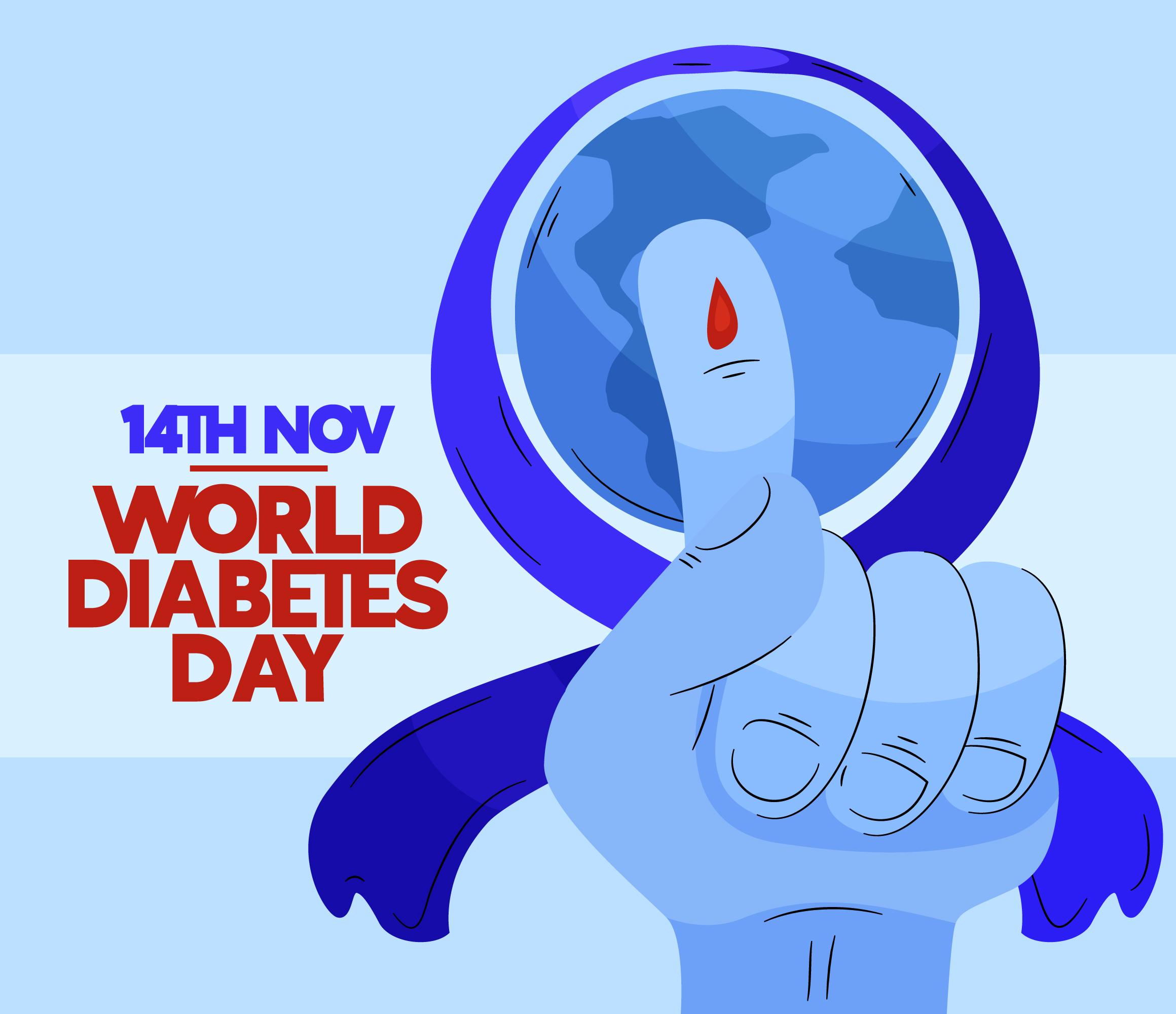
As the leaves change colour in November, the world unites under a crucial health cause: Diabetes Awareness. This chronic condition, affecting millions globally and showing a rapidly rising prevalence in India, demands our attention not just this month, but year round. At S N Super Specialty Hospital in Sri Ganga Nagar, we believe that knowledge is the first step toward empowerment. While diabetes is a serious, lifelong condition, it is not a life sentence. With vigilant management, it is entirely possible to live a long, healthy, and active life.
This November, we invite you to deepen your understanding of diabetes. This comprehensive guide will explore the different types of diabetes, demystify prevention strategies, and outline effective management techniques to help you or your loved ones take confident control of your health.
Understanding the Different Types of Diabetes
Diabetes is not a single disease but a group of metabolic disorders characterized by high blood sugar levels over a prolonged period. Understanding the differences is key to proper management.
Type 1 Diabetes: The Autoimmune Condition
Often diagnosed in children and young adults (though it can occur at any age), Type 1 diabetes is an autoimmune disorder. In this condition, the body’s own immune system mistakenly attacks and destroys the insulin-producing beta cells in the pancreas. The result is a critical deficiency of insulin, the hormone that acts as a “key” to allow blood sugar (glucose) to enter cells for energy.
- Key Characteristics: Not linked to lifestyle or weight. It is a lifelong condition that requires daily insulin administration.
- Common Symptoms: These can appear suddenly and include excessive thirst, frequent urination, sudden weight loss, extreme hunger, and fatigue.
Type 2 Diabetes: The Prevalent Form
Accounting for over 90% of all diabetes cases, Type 2 diabetes occurs when the body becomes resistant to insulin or when the pancreas cannot produce enough insulin to overcome this resistance. It is often associated with genetic, lifestyle, and weight-related factors and typically develops in adults, though it is increasingly seen in younger populations.
- Key Characteristics: Strongly influenced by modifiable risk factors. It can often be managed or even prevented through lifestyle changes.
- Common Symptoms: These may develop slowly and can be easy to miss. They include increased thirst and urination, constant fatigue, blurred vision, slow-healing sores, and tingling or numbness in the hands or feet.
Prediabetes: A Critical Warning Sign
Prediabetes is a condition where blood sugar levels are higher than normal but not yet high enough to be diagnosed as Type 2 diabetes. Think of it as a crossroad; it’s a clear warning from your body that gives you a powerful opportunity to make changes and prevent or delay the onset of full-blown diabetes. Unfortunately, symptoms are often absent, making regular screening vital.
Taking Charge: How to Prevent Type 2 Diabetes
The most powerful message of Diabetes Awareness Month is that Type 2 diabetes is largely preventable. Even if you have prediabetes, you can reverse its course. Here are the cornerstones of prevention:
- Embrace a Balanced Diet: Move beyond restrictive “dieting” and focus on a sustainable, nutritious eating pattern. Fill your plate with whole, unprocessed foods: colourful vegetables, fruits, lean proteins (like chicken, fish, and legumes), and whole grains (like oats and quinoa). Limit sugary beverages, refined carbohydrates (white bread, pasta), and saturated fats.
- Make Physical Activity a Non-Negotiable: Regular exercise helps your body use insulin more effectively. Aim for at least 150 minutes of moderate-intensity exercise per week—this could be a brisk 30-minute walk, five days a week. Incorporating strength training twice a week also helps build muscle, which is a major consumer of blood glucose.
- Achieve and Maintain a Healthy Weight: Losing even a modest 5-7% of your body weight can dramatically reduce your risk. For someone weighing 90 kg, that’s just 4.5 – 6 kg. This weight loss directly improves insulin sensitivity.
- Commit to Regular Health Screenings: Do not wait for symptoms to appear. If you have a family history of diabetes, are overweight, or are over the age of 45, regular blood tests (like fasting blood sugar and HbA1c) are essential. Early detection of prediabetes allows for early intervention.
Living Fully with Diabetes: A Guide to Effective Management
A diabetes diagnosis means it’s time to take control, not that your life is over. Effective management is a holistic process that involves monitoring, medication, and lifestyle.
- Consistent Blood Sugar Monitoring:
This is your compass. Regularly checking your blood glucose levels—whether through a traditional glucometer or a Continuous Glucose Monitor (CGM)—provides real-time feedback on how food, activity, stress, and medication affect your body. - Adhering to Your Treatment Plan:
Your diabetologist will create a personalised plan for you. This may include:
- Oral Medications: Like metformin, which helps reduce glucose production in the liver and improves insulin sensitivity.
- Injectable Therapies: Including insulin for Type 1 and some Type 2 diabetics, as well as other injectable drugs that help manage blood sugar and weight.
It is crucial to take medications exactly as prescribed and never to stop them without consulting your doctor.
- The Central Role of a “Diabetes Diet”:
A diabetes-friendly diet is simply a healthy diet for everyone. The goal is balanced nutrition to prevent blood sugar spikes and crashes.
- Focus on Fibre: Fibre-rich foods (vegetables, whole grains) slow down sugar absorption.
- Be Carb-Smart: Understand portion sizes and choose complex carbohydrates over simple ones.
- Time Your Meals: Eating at regular intervals helps maintain stable blood sugar levels throughout the day.
- Stay Hydrated: Water is essential for helping the kidneys flush out excess sugar.
Consider consulting with our registered dietitians at S N Super Specialty Hospital to create a customised, culturally appropriate meal plan you can enjoy.
- The Power of an Active Lifestyle:
Management and prevention go hand-in-hand. Continue with the exercise regimen recommended for prevention. Physical activity is a powerful tool to lower blood sugar and boost overall cardiovascular health. - Comprehensive Complication Screening:
Proactive management includes regular check-ups to screen for potential complications. This includes annual eye exams, foot exams, and tests for kidney and heart health. At S N Super Specialty Hospital, our multi-specialty team ensures all aspects of your health are monitored.
Your Role in Diabetes Awareness Month
This November, you can make a difference:
- Get Informed: Knowledge is power. Share this blog and other credible resources from organizations like the Indian Council of Medical Research (ICMR) or the Diabetes Foundation.
- Get Screened: If you fall into a high-risk category, schedule a diabetes screening for yourself and encourage your family to do the same. Early detection saves lives.
- Support Others: If you know someone living with diabetes, offer your support and understanding. A strong support system is invaluable.
- Advocate for Health: Share positive messages about healthy living in your community. Small changes collectively make a big impact.
A Final Message from S N Super Specialty Hospital, Sri Ganga Nagar
Diabetes may be a part of your life, but it doesn’t have to define it. This Diabetes Awareness Month, let us move from awareness to action. Whether you are looking to prevent Type 2 diabetes, manage a recent diagnosis, or fine-tune your long-term care plan, you do not have to walk this path alone.
The Department of Diabetology & Endocrinology at S N Super Specialty Hospital is home to a dedicated team of specialists, educators, and dietitians. We are committed to providing compassionate, state-of-the-art care tailored to your unique needs.
Take the first step towards a healthier future. Reach out to our expert Diabetic Specialists today for a consultation. Together, we can manage diabetes and empower you to live your life to the fullest.
Comments are closed