



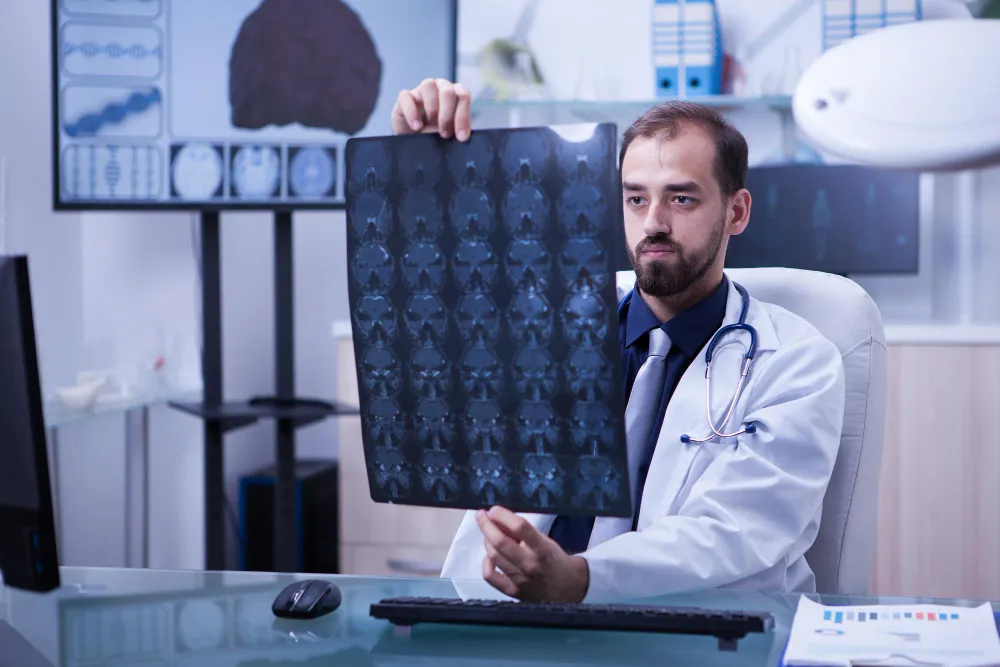
Searching for a neurosurgeon usually happens when symptoms feel more than “routine”—like pain that shoots into the arm/leg, sudden weakness, repeated seizures, or a head injury that doesn’t look normal.
A neurosurgeon in Sri Ganganagar and nearby areas can deal with problems of the brain, spine, and nerves. Some cases need surgery, but many first need the right diagnosis, monitoring, and a step-by-step plan.
1) Spine Problems Causing Sciatica, Tingling, or Weakness
Back and neck issues are among the most common reasons people visit neuro services. These problems can happen when a disc slips, nerves get compressed, or the spine becomes narrow with age.
Common signs include:
- Back pain that shoots down the leg
- Neck pain with tingling or a weak grip
- Legs feeling heavy or weak while walking
- Pain that gets worse after sitting too long, bending, or lifting
Treatment may include: medicines for relief, physiotherapy, and simple posture changes to reduce strain. In some cases, experts will suggest injections. If nerve pressure is high or weakness continues to worsen, they may also recommend surgery. Some hospitals also offer smaller-cut spine procedures for selected patients to support quicker recovery.
2) Stroke Symptoms and Urgent Brain Blood-Flow Problems
Stroke-related symptoms usually start suddenly. A person may notice face drooping, slurred speech, confusion, one-sided weakness, or sudden balance loss. Immediate medical attention is important because timing affects recovery.
Neurosurgeons may be involved when there is brain bleeding, swelling, or complications that need close monitoring and quick procedures. Early consultations can catch problems fast and help treat them before they become concerning.
3) Seizures and Epilepsy-Related Concerns
Seizures can look different in different people. Some episodes involve jerking movements, while others appear as a blank stare, sudden fall, or confusion after the event.
Not every seizure needs surgery. Many seizures are managed well with medicines under a neurologist’s care. But if seizures keep coming back, start looking different, or seem linked to a problem seen on scans, a specialist review is important. In such cases, both a neurologist and a neurosurgeon may work together to decide the safest long-term plan.
4) Brain Infarct and Long-Term Effects After Blockage
A brain infarct usually refers to damage caused by reduced blood flow and oxygen to a part of the brain. Depending on the area affected, it can lead to weakness, speech trouble, poor balance, or changes in memory.
Treatment often involves stabilisation, risk-factor control, and rehabilitation support. Early follow-up matters because recovery is usually better with guided rehab instead of “wait and see.”
5) Hydrocephalus (fluid build-up in the brain)
Hydrocephalus happens when fluid builds up and raises pressure inside the skull. Symptoms can vary depending on age, but headaches, vomiting, and balance issues are common. Some cases involve behavior change, too.
The cause determines the treatment. Some patients may need a procedure to drain or divert the fluid safely, followed by monitoring and follow-up.
6) Head Injury and Brain Bleeds
Head injuries can become serious if bleeding occurs inside the skull. Warning signs include worsening headache, repeated vomiting, increasing sleepiness, confusion, seizures, or weakness.
Two commonly discussed bleeds are:
Subdural Bleed: Often after trauma; symptoms may appear gradually
Subarachnoid Bleed: can present with a sudden, severe headache and rapid worsening
These are emergencies. Places with quick imaging, ICU monitoring, and specialist support can make a real difference.
7) Severe Headaches and Migraines (when to worry)
Migraines are common and usually treated with medicines and lifestyle changes. However, headaches need urgent review if they are sudden and extremely severe, persistent, or come with red flags such as fainting, weakness, repeated vomiting, confusion, or vision changes.
For families trying to choose the best neurologist in Sri Ganganagar, Rajasthan, it helps to look for a setup where complex headaches are evaluated properly, and neurosurgical backup is available when needed.
8) Why Setup and Support Systems Matter
In neuro care, a doctor’s expertise is crucial, but so is the support around the patient. Many brain and spine conditions need fast scans, round-the-clock monitoring, and emergency readiness.
Conclusion
Brain and spine symptoms may start small, such as tingling, recurring headaches, or back pain, but some conditions worsen if ignored. At SN Hospital in Sri Ganganagar, we offer neuro consultation, spine care (including minimally invasive options in selected cases), stroke and seizure support, emergency management for head injuries, plus imaging and ICU monitoring can simplify care.
These features are often what families expect while looking for the best hospital in Sri Ganganagar and nearby areas.